
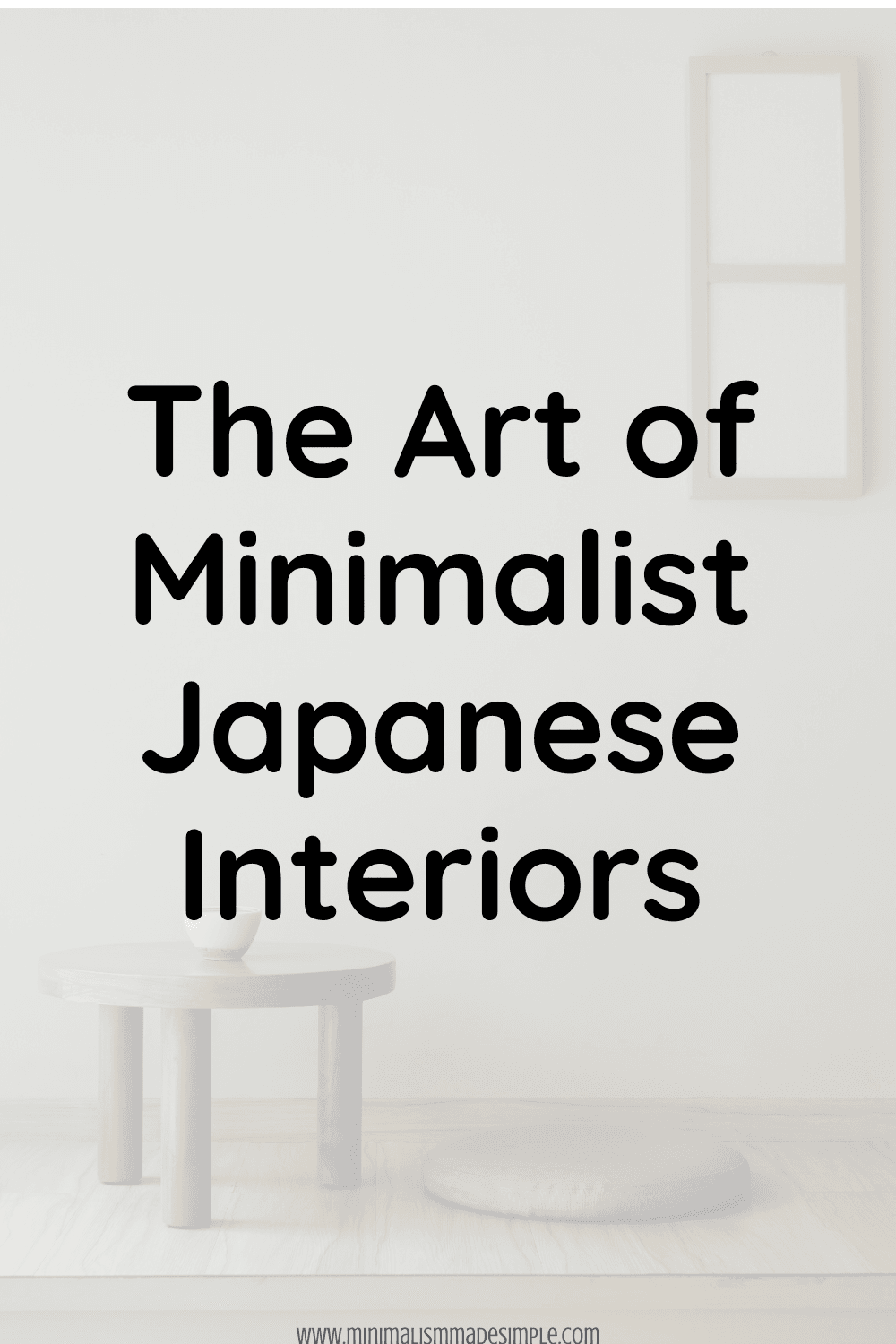
Welcome to the world of Minimalist Japanese Interiors. These spaces combine clean design and purposeful living, much like a warm hug for your soul. Today, we’ll dive into how you can bring this tranquil charm into your own home.
Understanding the Japanese Minimalism Philosophy
At the core of Japanese minimalism lies a deep respect for simplicity and a love for nature. This design philosophy, known as Wabi-Sabi, finds beauty in imperfection and values modest, rustic aesthetics.
The concept goes beyond visual appeal, encouraging us to live mindfully and cherish the present.
The Essentials of Minimalist Japanese Interiors
Cultivating a minimalist Japanese interior is less about emptying your space and more about filling it with intention. Here’s how you can start:
- Nurture Nature: Incorporate natural elements like wood and stone to create an organic feel. Adding a small indoor plant not only purifies the air but also bridges the gap between your abode and the natural world.
- Tame the Clutter: Embrace a “less is more” approach. Ensure that every piece in your space serves a purpose, sparking joy while maintaining functionality.
- Flow of Light: Use natural light as your primary source of illumination. Opt for sheer curtains or shades to allow the soft sunlight to fill your rooms with warmth.
Choosing the Right Colors and Textures
Color and texture play vital roles in creating an inviting minimalist Japanese home. Select a neutral color palette—think shades of white, beige, and muted earth tones.
These hues provide a serene backdrop, allowing you to experiment with textures like soft cotton, raw timber, or smooth ceramics to add depth and interest.
Finding Balance Through Furniture and Decor
The furniture in a minimalist Japanese space should be low-profile, comprising clean lines and earthy materials. Consider these tips when selecting pieces:
- Opt for simple, multifunctional furniture that enhances the room’s openness.
- Favor quality over quantity. Invest in a few well-crafted pieces rather than overcrowding the room.
- Incorporate subtle decor, such as handcrafted ceramics, a bowl of zen stones, or a single piece of artwork.
Infusing Personal Touches Without Clutter
Your home should be a reflection of you, even within the framework of minimalism. It’s about finding that perfect balance between personal expression and simplicity. Showcase your favorite pieces—be it a cherished book or a unique artifact—in a manner that resonates with the space.
Conclusion: Creating Your Peaceful Sanctuary
Transitioning to a minimalist Japanese interior is as much about creating aesthetic beauty as it is about fostering inner peace. It’s a journey back to appreciating life’s essentials, offering liberation from the weight of excess. Let’s commit to this lifestyle shift today. Start small. Perhaps begin with one room and nurture it with intentionality, love, and minimalism.
If you’re intrigued and ready to transform your space into a serene haven, stay tuned to Minimalism Made Simple for more inspiring tips and guides. Together, let’s simplify, declutter, and embrace a more intentional way of living.